
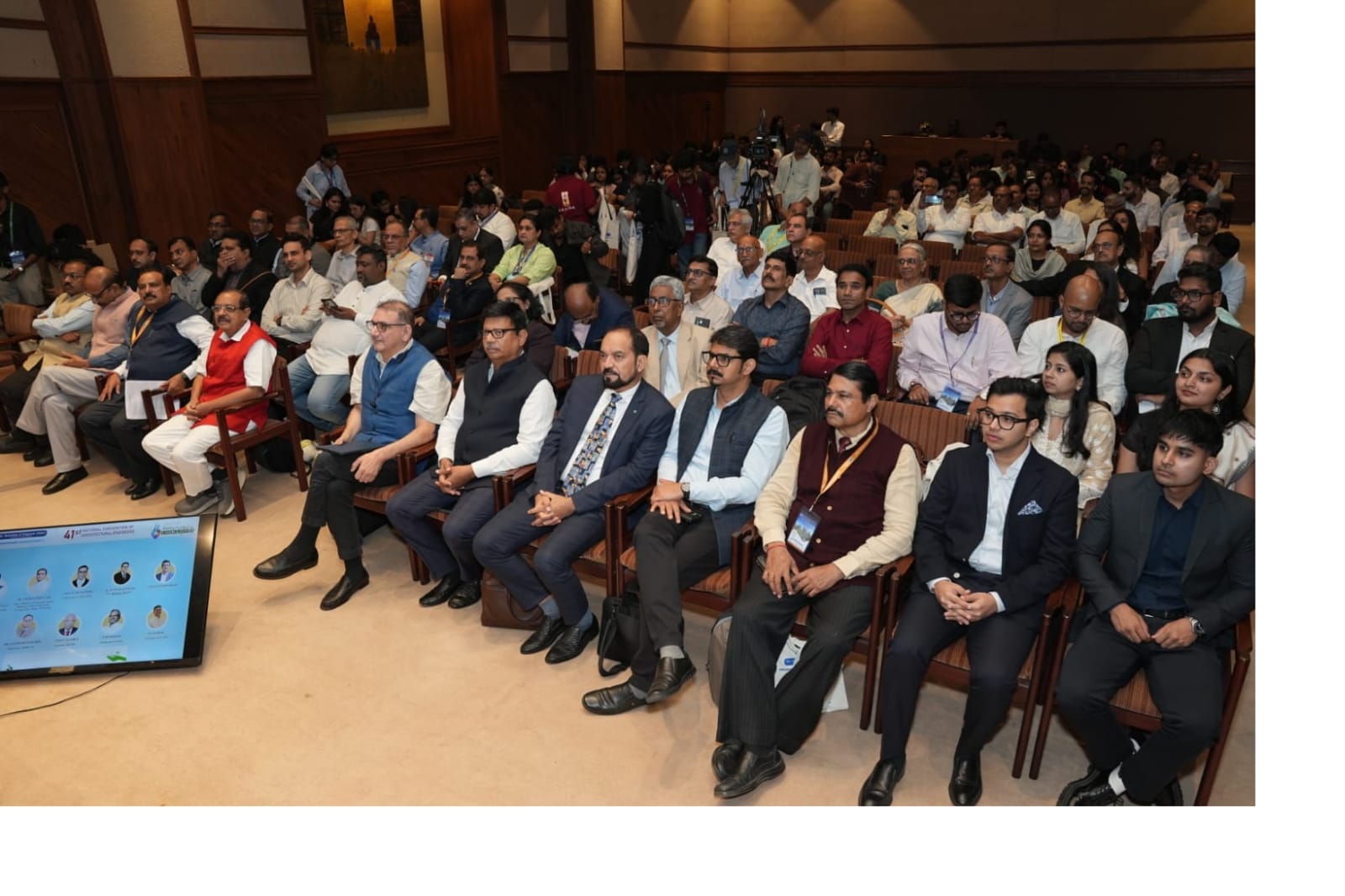
The Institution of Engineers (India) National Convention highlighted the need for citizens’ participation and a collective effort to ensure cleaner, safer, more inclusive and people-centric urban India. Menka Shivdasani listened in.
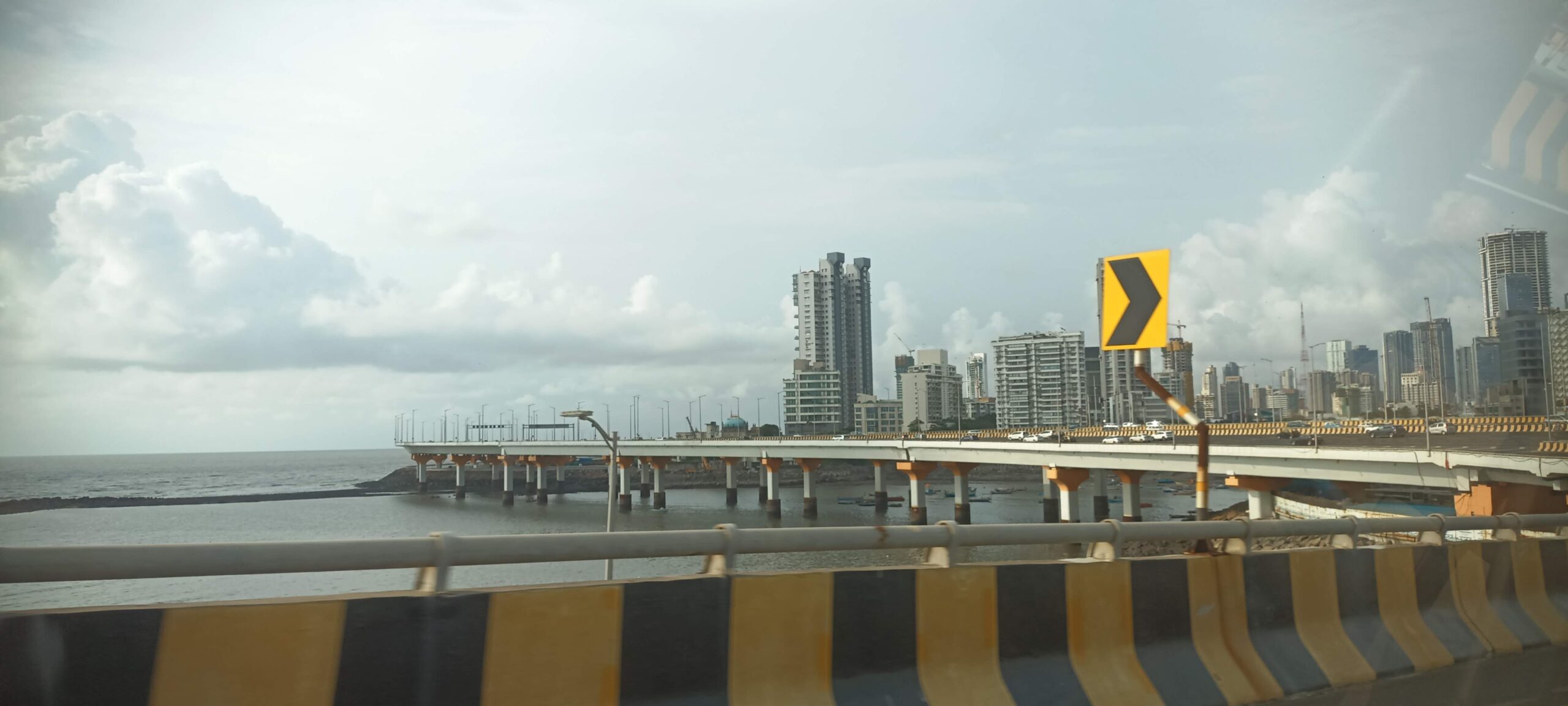
It was a busy weekend on September 12 and 13, 2026, as architects, engineers, urban planners, policymakers, administrators, and industry leaders, among others, met at the Nehru Centre in Worli, a stone’s throw away from Mumbai’s shiny new infrastructural marvels: the coastal road and its predecessor, the Bandra-Worli Sea Link.
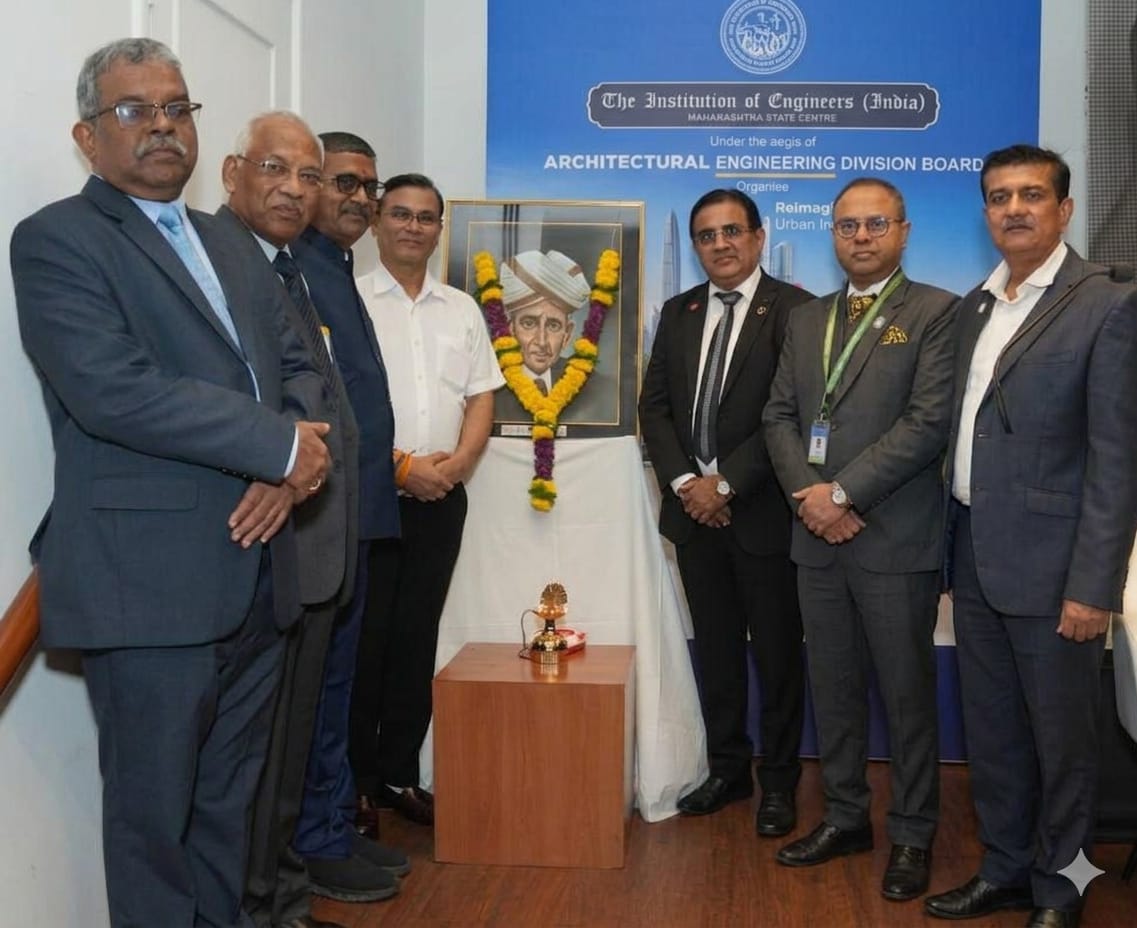
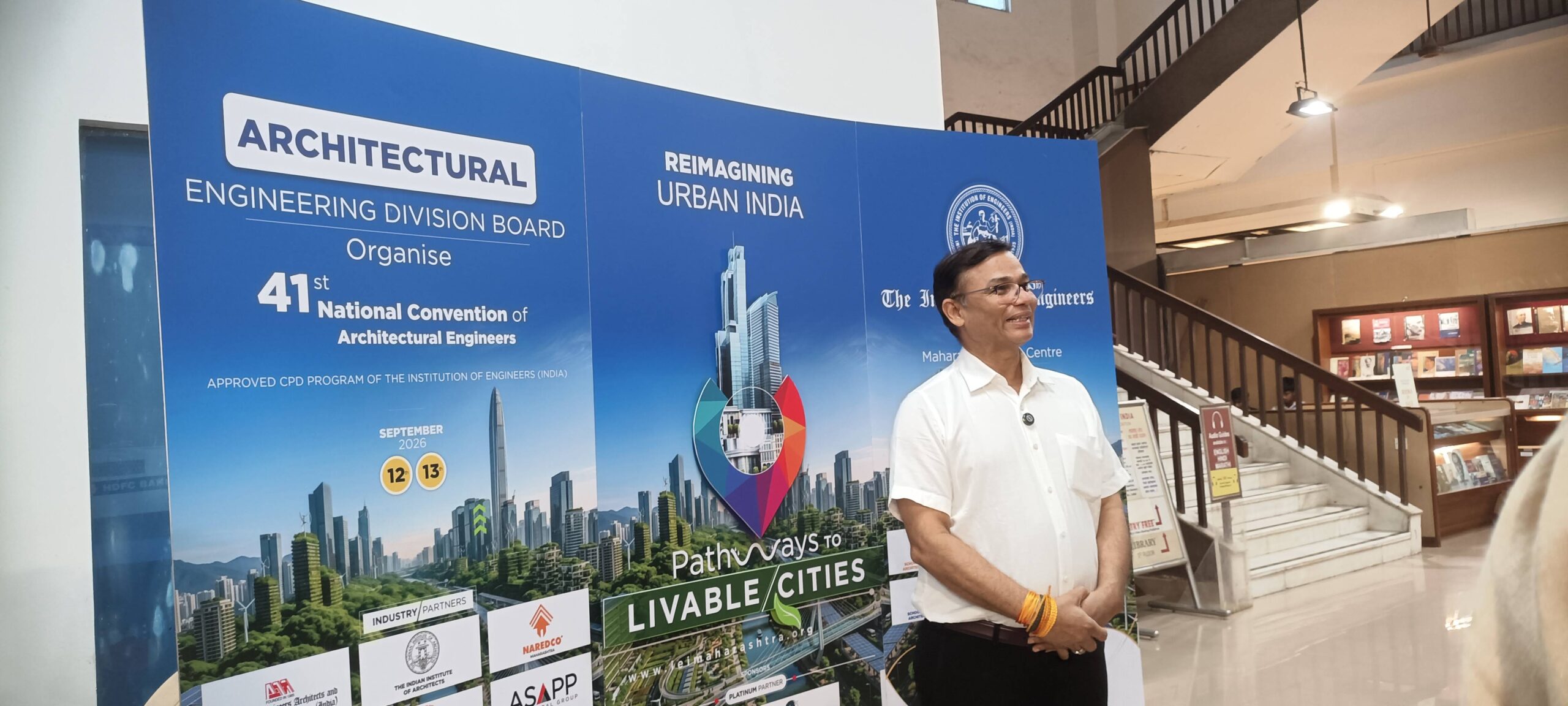
They were there for the 41st National Convention of Architectural Engineers to discuss Mumbai’s transformation under the theme ‘Reimagining Urban India: Pathways to Liveable Cities.’ The Architectural Engineering Division Board of The Institution of Engineers (India) (IEI) organised the two-day conference in association with the IEI Maharashtra State Centre. Speakers included Dr Nitin Kareer, IAS (Rtd.), Chief Secretary, Maharashtra, Dr Jairaj Phatak IAS (Rtd), Commissioner, BMC, Mr R A Rajiv IAS (Rtd), Metropolitan Commissioner and a galaxy of eminent architects, urban planners and engineers.
India aspires to become a developed nation. But can we achieve that ambition without making our cities liveable? The real question is not simply how to build the next road, bridge, Metro line or skyscraper, but how to create cities where people can live, work, move, breathe, play and grow with dignity.
Er. Suresh Babu, Founder and Principal, Suresh Babu and Partners, Architecture + Planning, and Organising Secretary of the National Convention of Architectural Engineers
“We must stop asking only how to build bigger cities and start asking how to build better lives. Infrastructure is essential, but infrastructure alone does not create a liveable city. A liveable city is one where mobility, housing, public spaces, environment, technology, economy and governance work together around the needs of people,” he added.
The discussions covered a wide range of issues including housing and inclusive development, sustainable infrastructure and mobility, climate-resilient cities, water and waste management, circular economy, urban governance, public spaces, heritage and placemaking, health and wellbeing, digital transformation, artificial intelligence, GIS, BIM, digital twins and nature-positive urban development. Speakers highlighted the need for stakeholders to work together from the beginning of the planning process.
Mobility, technology and people first
The convention placed particular emphasis on integrating different modes of transportation and strengthening pedestrian and non-motorised infrastructure. It also highlighted the importance of learning from Mumbai’s own informal and highly coordinated systems, including the city’s dabbawala network.
Another important theme was that technology should serve people rather than become an objective in itself. Artificial intelligence, data, GIS, BIM and digital twins can significantly improve urban planning and management, but their value ultimately lies in whether they make cities safer, more efficient, more accessible and more responsive to citizens.
Speaking during the inaugural session, Er. Sunil Rathod, Chief Engineer, Development Plan (DP), BMC, pointed out how today, one could get from Bandra in the Western suburbs to Mantralaya in South Mumbai in barely 10 minutes; how the coastal road was being extended beyond Mumbai limits to Mira-Bhayander, and how 1800 km of pothole-free concrete roads had been constructed. He also mentioned plans to build seven new sewage treatment plants (STPs). Mr Rathod also said slums were being “eradicated day by day” and that increased Floor Space Index levels (FSI 7) for commercial spaces would boost employment in the city.
Mr Rathod highlighted technological innovations that enabled online approvals and real-time information for citizens. “We are open to suggestions,” he said.
Planning at the neighbourhood scale
We have an ambition of a $30 trillion economy, but we have to realise this will only happen if cities work. All the disciplines have to come together: planning, engineering, architecture, mobility, finance, governance. They have to work together. We have plans, but they don’t talk to each other.
Hitesh Vaidya, Senior Adviser, UNEP, and Former Director, NIUA, New Delhi
Referring to the lessons of COVID, Mr Vaidya spoke of the importance of looking outward, but imbibing the ideas within ourselves, and planning at the right scale: the neighbourhood level. “You need adaptive planning instruments that respond to people; you can’t have Master Plans that don’t talk to neighbourhoods,” he said. In the process, he said, it was also important to build the trust of younger people.
Another important point Mr Vaidya raised was the need for granular data that goes beyond the “beautiful dashboards” to understand “who is experiencing what, and where and why”. He also highlighted the need for breathing spaces, accessible mobility, and the challenges of rising urbanisation. “While making decisions, we need to look 360º,” he remarked.
Speaking about governance and policy innovations for liveable cities, Dr Nitin Kareer, former Chief Secretary of the Government of Maharashtra, highlighted two essentials. The first was a directly elected, empowered mayor who could make decisions and was accountable to the people, not to a political party; the second was people’s involvement in the planning process. “Cities of the future will not be able to govern themselves unless there is citizens’ participation; it is not enough to invite suggestions,” he remarked. “If the people are not involved, only the larger, shinier projects will be implemented. Budgets and spending must include people’s participation.”
Panel discussions
A panel discussion titled ‘Moving People, Not Just Vehicles: Rethinking Urban Mobility’, moderated by Prof. Harshad Bhatia, Urban Designer & Architect, examined various modes of transport and addressed the issue of commuting. As Mr Bhatia pointed out, commuters measure travel in units of ‘time’, a non-renewable resource, before distance, and this must be taken into account while mapping mobility.
Another point that emerged was that, for pollution control, effectiveness, energy efficiency and affordability, road-based mass transit such as an Electric Vehicle (EV) bus would be a suitable option. Furthermore, all public transit must be integrated by a unified ticket pass card to ensure switching from one to another with ease and to save ‘time.’ Serious thought must also be given to making local BrihanMumbai public transit ‘free’ within a timeline of two years, after which the unified pass may be discontinued. “Instead of free housing, free public transit for all will work better,” Mr Bhatia believes. Panellists also spoke of the need to raise awareness of civic sense so the public uses designated spaces rightfully.
Another panel discussion, ‘Beyond Housing: Creating Inclusive Neighbourhoods for All’, was moderated by Mr Deben Moza, Senior Executive Director, Knight Frank India. During the conversation, Dr Priya Mendiratta, Former Additional Chief Planner, CIDCO Ltd, spoke about Navi Mumbai’s evolution and how it was “never a satellite city because other than housing, it had its own employment potential”. She pointed out that planning was a continuous process and that while changes might take time, it is better to have infrastructure in place before people come.
Er. Sandip Isore, President, PEATA, spoke about how much had changed in complex regulatory approvals. He referred to AutoDCR (Automatic Development Control Rules), for example, the e-governance software tool used to automate the scrutiny and approval of building construction plans. “Things have improved, but yeh dil maange more, and there is scope for further improvement,” he said. Mr Isore also appreciated the Municipal Commissioner’s announcement that Artificial Intelligence would be used for approvals.
The ‘Unified Urban Data Observatory: Its Challenges and Way Forward’ by Dr Priya Mendiratta and Advait Aundhkar, Partner and Managing Director, Synectic Designs LLP, Thane, highlighted that urban datasets are heavily fragmented and owned by disparate authorities, leading to a lack of common data standards and coordination bottlenecks. It concluded with a suggestion for a separate body or committee to collate data from different corporations and councils in the MMR for a Unified Data Observatory, in order to be better prepared in case of an emergency.
Climate resilience
Prachi Merchant, Senior Advisor, Maharashtra UN Environment Programme, moderated a session on climate resilience, discussing issues such as environment-efficient planning, building with nature, blue-green infrastructure, green buildings and sustainable services. Dr May Mathew, Founder Trustee and Chief Planner, Centre for Environmental Efficiency, shared her deep study on environmental efficiency through a formula that proposed balancing development and the environment. Urban designer Devi Praseeda highlighted resilience at the neighbourhood level: climate resilience through sponge cities, heat resilience through shaded systems, and community resilience. Mala Singh, Chairperson and MD, PEC Greening India and Bhavesh Mehta, an IGBC professional with a strong background in green building facilitation, spoke about Green Building principles and the need to bridge the gap between academics and practice. R.C. Sharma, former Director of Delhi Fire Services and DIG (Fire), differentiated between new and developed buildings and suggested ways to handle fire and facilitate smoke emission through design, ventilation interventions and safety measures.
On the second day, Prathima Manohar, Chairperson of The Urban Vision, and Director, Good Pass and Paradise Holidays, chaired the session, ‘Harnessing Technology for Liveable Cities’. She highlighted the need to move the conversation beyond simply making our cities “smart”. “Technology is a powerful tool, but a city doesn’t become more liveable just because it has more sensors, dashboards or apps,” she believes. “What matters is whether technology helps solve the everyday things people experience: cleaner air and water, safer streets, better mobility, less waste and more responsive public services. And ultimately, many of our urban challenges are governance challenges. We need institutions and different city agencies to work together, use data to make better decisions, and be accountable for outcomes. Technology should enable better cities, but people and quality of life have to remain at the centre.”
The way forward
Across presentations, the key message was that no city becomes liveable by accident. Urban transformation requires visionary leadership, integrated planning, sustained investment, effective governance and meaningful participation from citizens and diverse professional communities. The convention emphasised that a city’s success cannot be measured only by the number of roads, bridges, Metro lines, buildings, and other infrastructure projects it creates. It must also be measured by how people experience the city: how easily they can move, work, live, breathe, access housing and public spaces, and participate in urban life.
The deliberations, according to Mr Babu, will contribute to a consolidated set of recommendations focusing on integrated planning, sustainable mobility, inclusive housing, climate resilience, public spaces, urban governance, technology and people-centric development.